

Nvidia Reinstates CEO Huang Amidst Investigations and Political Pressure
-
 المنتصف نت
- منذ 44 دقيقة
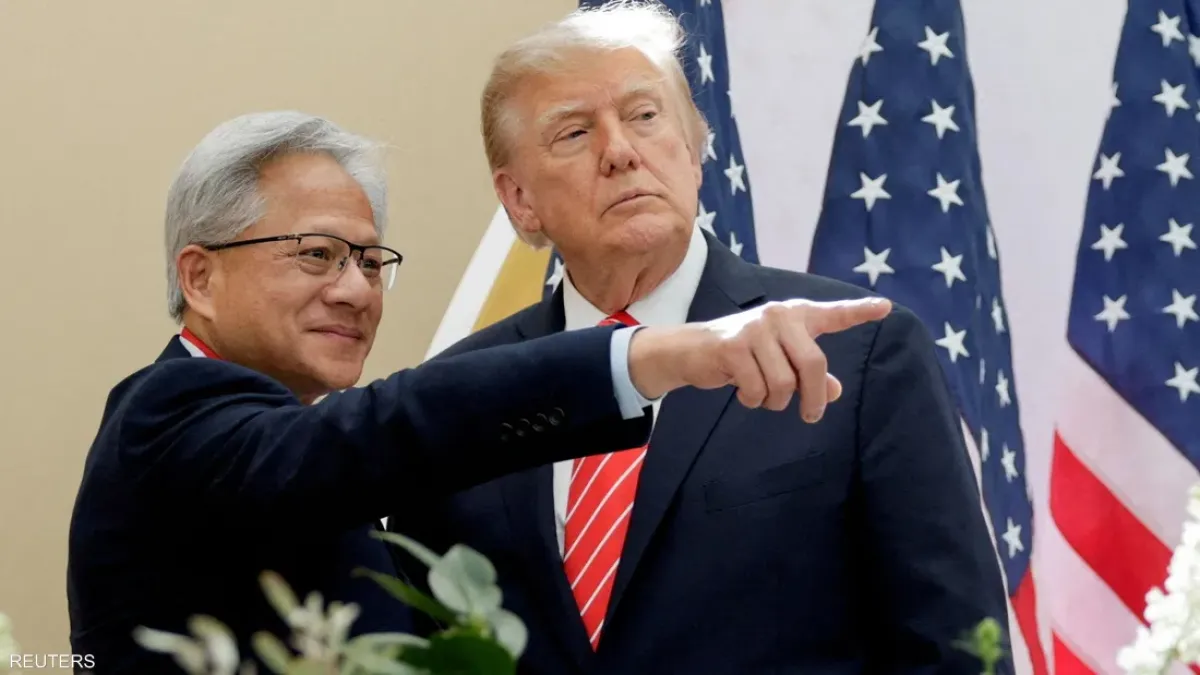
Nvidia announced on Monday the immediate reinstatement of Jensen Huang as Chief Executive Officer, reversing a prior decision following calls from U.S. President Donald Trump for his return. Huang had resigned amid revelations of extramarital affairs, including a relationship with an individual suspected of being a Chinese spy.
The company's stock surged 33 percent following the unanimous decision by the board of directors, who affirmed they perceived no national security risks associated with Huang's return. Reports also indicate Huang had relationships with at least two other Nvidia employees.
Nvidia is currently subject to multiple investigations by bodies including the U.S. Securities and Exchange Commission and the Department of Justice. These inquiries cover a range of issues, from potential accounting irregularities to allegations of chip smuggling.
President Trump, who had publicly urged Nvidia to reinstate Huang last week after the board initially rejected his return, praised the decision on Monday, calling it "the right and appropriate decision." Trump stated on the Truth Social platform that the U.S. government had no grounds to believe Huang's return posed a national security risk, nor any evidence of his involvement in illegal conduct. However, he urged Nvidia to continue investigating its compliance with U.S. export controls to ensure its adherence to national security commitments.
Nvidia stated that its board voted unanimously to reinstate Huang after being convinced of his candor and leadership capabilities. The board also indicated that, after receiving input from senior U.S. government officials, they do not believe his return presents a national security risk. Huang's reinstatement underscores his significant influence within Nvidia and raises broader questions about the continued reliance of one of the world's most valuable companies on its co-founder.
Last week, Nvidia Chairman Harvey Jones had stated the company would not bring Huang back due to personal conduct that conflicted with the company's code of conduct, standards, and cultural values, despite growing calls for his reinstatement. The board had appointed Chief Financial Officer Colette Kress as interim CEO. Huang resigned on November 12th following the disclosure of extramarital affairs, which significantly impacted stocks associated with artificial intelligence, a sector where Huang had become a prominent figure.
Huang's return has resonated throughout the sector, as Nvidia is poised to add approximately $900 billion to its market capitalization. His comeback also boosted broader markets, with Nvidia's sharp ascent lifting semiconductor stocks and AI-focused cloud computing companies that have benefited from the sector's boom.
Huang led Nvidia's transformation from a designer of video game chips to the dominant supplier of artificial intelligence processors. He played a pivotal role in developing the company's chip product roadmap, managing relationships with key clients, and strengthening ties with Washington. In a statement on Monday, Huang expressed his honor in returning to Nvidia and leading a leading technology company at the dawn of a new industrial revolution. The 63-year-old CEO managed the chip giant with a hands-on approach, overseeing approximately 60 employees directly and addressing issues across the company. He also leveraged Nvidia's growing cash reserves to invest in various aspects of the AI ecosystem, including cloud service providers CoreWeave and Nimbus, and suppliers Marvell and Corning.