
UN, Oman, Iran Efforts Aim to Rescue Houthis Amidst Yemeni Rejection
-
 المنتصف نت
- منذ ساعة
United Nations, Omani, and Iranian efforts are underway to prevent the Houthi militia's collapse, a move criticized by Yemenis as disregarding their lives and Islamic holy sites.
The UN, through its envoy to Yemen, has initiated attempts to rescue the Iran-backed Houthi militia from defeat. These efforts are reportedly bolstered by concurrent Omani and Iranian initiatives. The goal is to rebrand the Houthis as a legitimate political entity, despite their international terrorist designation by Yemen's legitimate government and its allies.
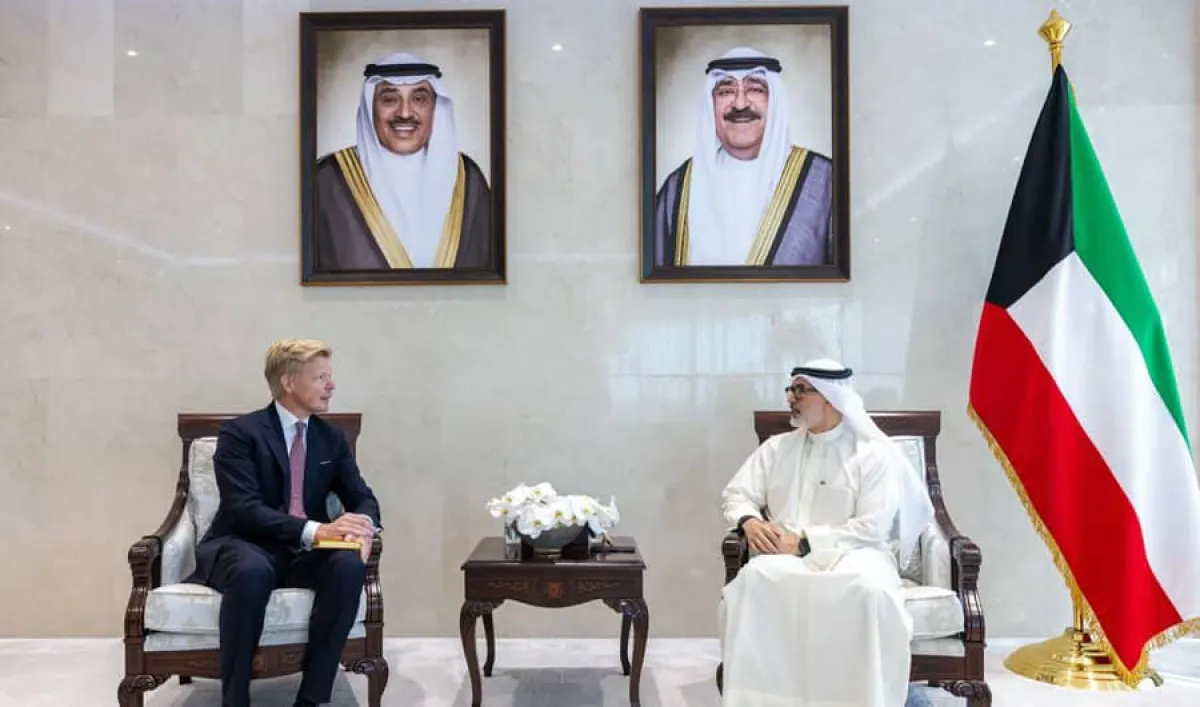
UN Special Envoy for Yemen, Hans Grundberg, has been engaged in diplomatic efforts, including visits to Kuwait, Oman, Saudi Arabia, Moscow, Washington, and London. These tours have yielded limited results. His recent visit to Kuwait followed consultations in Muscat with the Omani Foreign Minister and a meeting in Riyadh with the GCC Secretary-General, where Houthi attacks on Saudi territory were condemned. However, Grundberg has not met with Saudi or Yemeni officials recently, with his last announced meeting with Yemen's Presidential Leadership Council Chairman being in July 2026.
Concurrently, an unscheduled UN aircraft reportedly flew from Djibouti to Sanaa, raising questions about undeclared UN activities and potential political arrangements with the Houthi group. This follows Grundberg's January 2025 visit to Sanaa, aimed at advancing peace and urging Houthi action, including the release of detained UN staff. The Houthis have detained dozens of aid workers since June 2024.
Past UN interventions, including those by previous envoys like Jamal Benomar, Ismail Ould Cheikh Ahmed, and Martin Griffiths, are seen by Yemenis as attempts to save the Houthis. These efforts, from the Peace and Partnership Agreement to the Stockholm Agreement and the roadmap, are criticized for undermining Yemeni sacrifices and perpetuating the militia's power.
Yemenis are deeply concerned by recurring scenarios where the UN intervenes under humanitarian pretexts. Previous attempts to rescue the Houthis include the Kuwait consultations in 2016, the Sweden Agreement in 2018 which saved them from falling in Hodeidah, the 2022 truce and Omani roadmap, and Omani mediation in 2023. In July 2024, UN-backed intervention sought to cancel Central Bank decisions that were financially crippling the Houthis.
Iranian diplomacy has also been active, attempting to mediate with Saudi Arabia to halt airstrikes and negotiate with the Houthis. Iran reportedly facilitated a US-Houthi understanding in 2025, wherein the Houthis would cease targeting ships in exchange for a halt in US strikes. This move drew criticism for re-legitimizing the Houthis.
Houthi media is currently promoting a narrative of Saudi Arabia seeking Omani mediation for de-escalation. Yemenis view any talk of a truce as treason, compromising the dignity of over two billion Muslims. However, political realities suggest that Iran's and Oman's efforts to push Houthi demands have not succeeded, especially after the militia's terrorist designation.
The terrorist designation has fundamentally altered the situation, making political and media maneuvers insufficient to restore the Houthis' legitimacy. The Houthis are using discussions of mediation and de-escalation for psychological and media warfare to counter international isolation and the impact of their designation, projecting an image of continued strength.
Yemen's government has rejected any UN role that aids the Houthis while ignoring the suffering in Taiz and other areas. The government informed a UN official of its disapproval of his planned visit to Sanaa, citing the Houthis' continued detention of UN staff and the death of one in custody. Yemenis question the UN's humanitarian concern, given Houthi actions like executions, targeting vital infrastructure, and economic restrictions.
Meanwhile, Taiz continues to suffer. A local human rights center reported hundreds of arbitrary detentions and abductions by Houthi checkpoints between November 14-18. Yemenis protested outside the European Parliament, demanding action to lift the siege on Taiz and designate the Houthis as terrorists. The Yemeni government has warned the UN Secretary-General and Security Council President about continued Houthi escalations, including attacks on residential areas and a refugee camp, calling for condemnation and practical measures.
Yemenis believe the current UN rescue attempt will fail. The post-terrorist designation era does not allow for the Houthis' re-establishment, and media noise about mediation will not create a false victory.