
Yemeni Youth Recruited for Ukraine War Under Guise of Pilgrimage
-
 المنتصف نت
- منذ 58 دقيقة

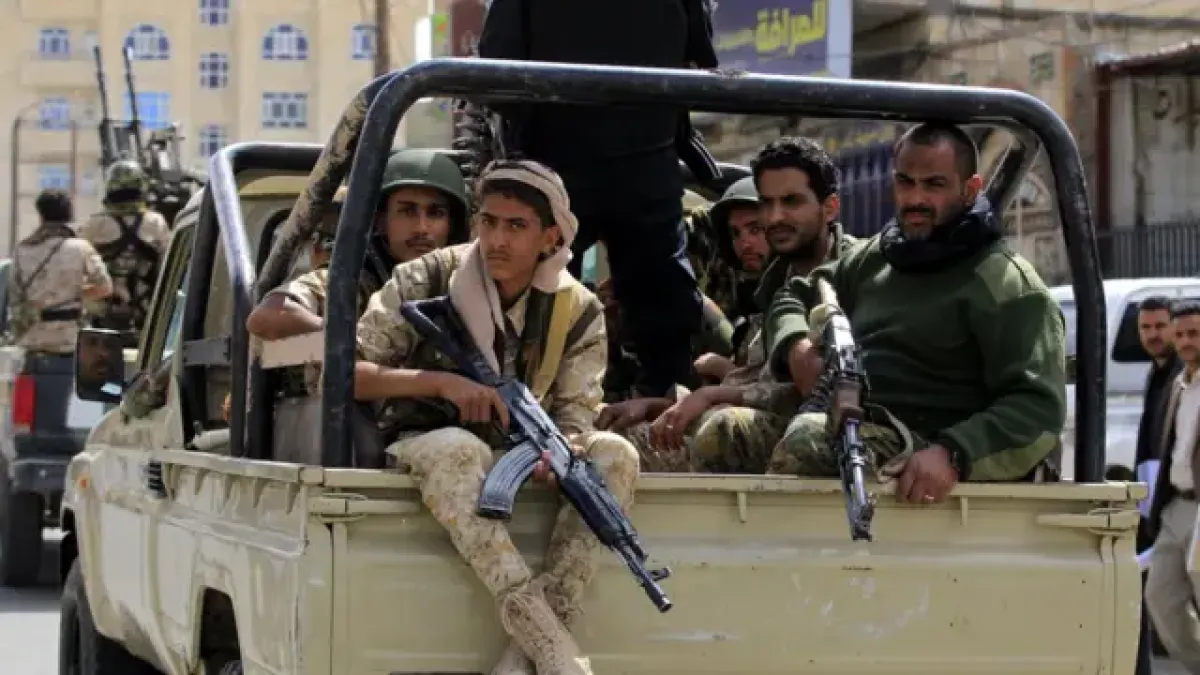
A network linked to Yemen's Houthi rebels, allegedly operating with Iranian backing, is reportedly exploiting pilgrimage visas as a cover to recruit young Yemeni men for combat in the Ukraine war. These recruits are allegedly transported to Russia via Saudi Arabia and the UAE, where they are coerced into military service.
Sources indicate that the Houthi-affiliated network, managed by individuals including Abdulwali Al-Jabri and linked to Houthi negotiator Mohammed Abdul-Salam, facilitates the recruitment of Yemeni youth under the pretense of performing Umrah (minor pilgrimage). This operation reportedly involves coordination with Russian officials to transport the recruits to Moscow and subsequently deploy them to the conflict.
A documented rights report details how this cross-border recruitment scheme utilizes Umrah visas. The process begins with obtaining a valid passport and an Umrah visa through licensed agents, allowing individuals to depart Yemen seemingly for religious purposes. The journey typically proceeds from Yemen to Mecca, then to Dubai, which serves as a consolidation point where intermediaries, both Yemeni and Russian, finalize arrangements and issue onward tickets to Moscow.
Upon arrival in Moscow, recruits reportedly face confiscation of their passports and are compelled to sign military contracts in Russian. They are then allegedly transferred to training camps and deployed to conflict zones in eastern Ukraine, such as Donbas and Kursk. These individuals are lured by false promises of lucrative civilian jobs in Russia, with salaries up to $2,000 per month and the prospect of Russian citizenship.
Investigations by organizations like SAM for Rights and Freedoms and reports from The Financial Times have shed light on the operational details. Al-Jabri's office is said to have collected numerous Yemeni passports for Russian entry visas. The U.S. Treasury Department has sanctioned Al-Jabri for his role in this network, which signifies a shift in the relationship between the Houthis and Moscow from receiving support to exporting fighters in exchange for financial and military aid.
Families of the recruited individuals are appealing to the Yemeni government and the international community for their sons' rescue, citing distressing videos of recruits in Russian war zones describing harsh conditions and mistreatment. Human rights advocates warn that the exploitation of pilgrimage visas erodes trust in legitimate travel documents and exposes vulnerable Yemenis seeking employment to human trafficking and forced conscription into conflicts far from their homeland.