
Houthi Group Accused of Forcing "Temporary Marriage" on Yemeni Women
-
 المنتصف نت
- منذ 31 دقيقة
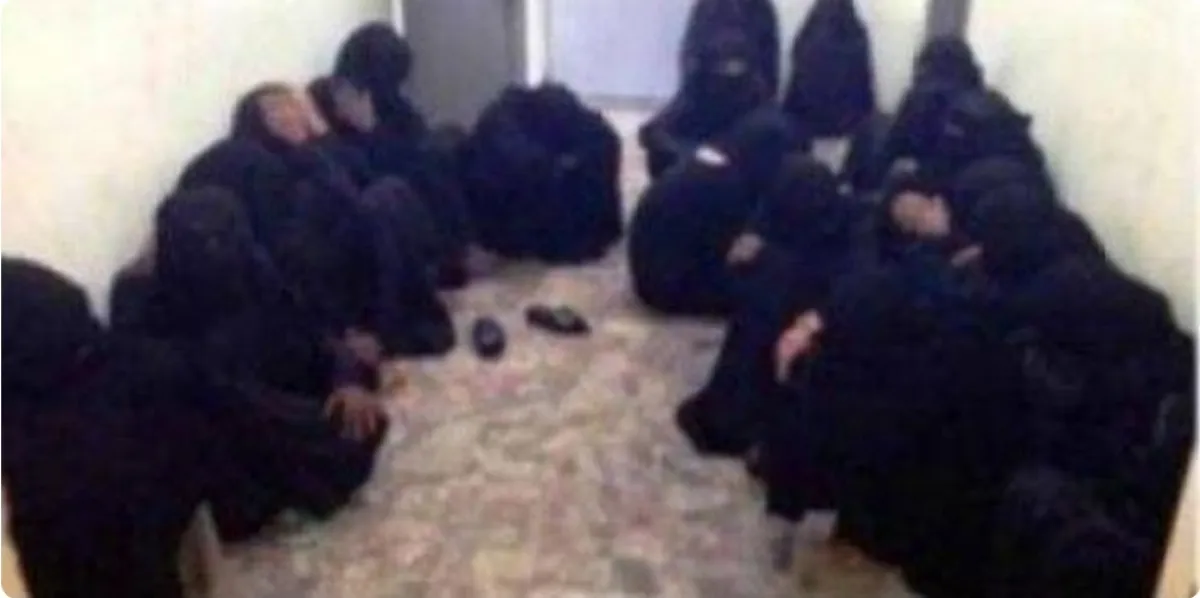
Human rights sources allege that the Iran-backed Houthi group is coercing Yemeni women, including detainees, into engaging in sexual relations under the guise of "temporary marriage," a practice reportedly used to extort compliance and avoid release from detention.
Since seizing control of Sanaa and other Yemeni governorates, the Houthi group has reportedly sought to impose Iranian cultural norms, promoting "temporary marriage" as a means of religious devotion. This practice, known as "mut'ah" marriage, is alien to Yemeni society and is being aggressively marketed by the group.
Reports indicate that the Houthi group is compelling women, particularly those in detention, into sexual relationships with group leaders under this "temporary marriage" label. Those who refuse reportedly face continued imprisonment.
Women who have managed to escape Houthi detention facilities have described being blackmailed by group leaders into "temporary marriages" lasting from a day to several days, referred to as "marriage of necessity." This is allegedly done in exchange for leniency from the brutal treatment meted out to detainees.
Over the past few years, the Houthi group has reportedly worked to disseminate the concept of temporary marriage in Yemen. This has allegedly involved leveraging their influence to entrap women, threatening their families, or exploiting their dire economic situations to coerce them into accepting such arrangements.
Furthermore, Houthi leaders are reported to have exploited their positions to pressure female government employees, particularly divorced women and widows, into secret temporary marriages. These inducements reportedly include financial rewards and career advancements, which human rights reports suggest have contributed to an increase in divorce rates within Yemeni society.
This alleged campaign is seen as part of a broader Houthi plan to erode Yemeni culture, which rejects such practices, and replace it with Iranian culture, where temporary marriage is considered a tenet of faith. The group has reportedly intensified its sectarian activities, mirroring trends in Iran, Iraq, and Lebanon, and has integrated these sectarian ideas into educational curricula. The objective is reportedly to cultivate a new generation that accepts practices like temporary marriage as religious doctrine, when in reality, it is considered a form of legalized prostitution that compromises the honor of Yemenis and must be rejected and resisted as a foreign imposition on Yemen's authentic and conservative society.